Generic selectors
Exact matches only
Search in title
Search in content
Post Type Selectors

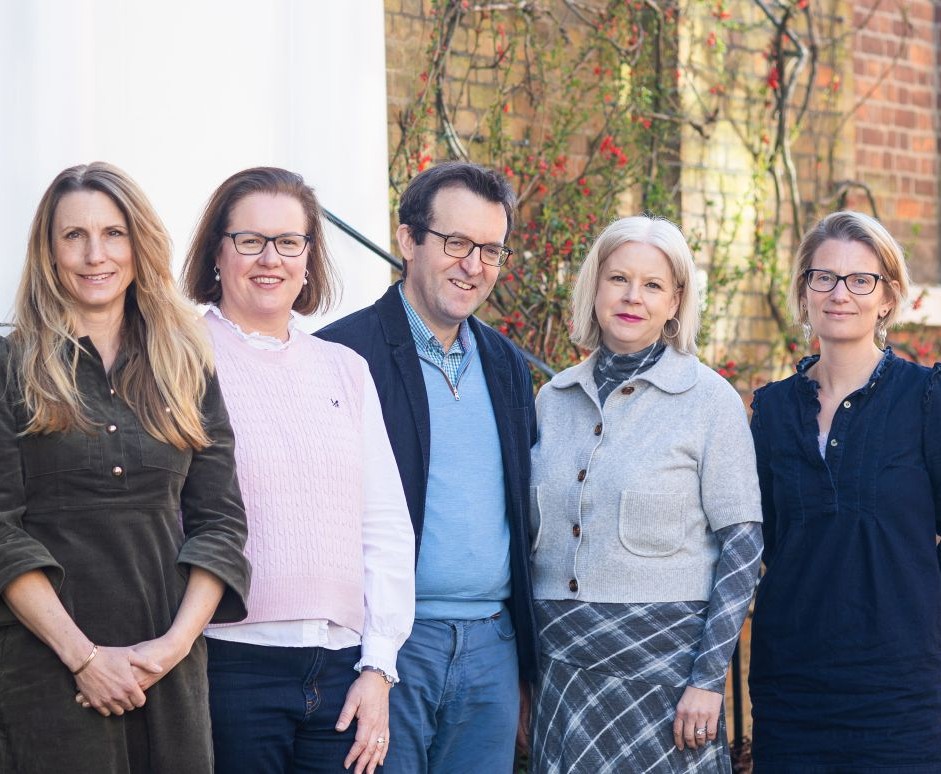
Kerry Dovey becomes member and Head of Rural & Residential

We’re delighted to announce the promotion of Kerry Dovey to Member and Head of the Rural & Residential Property Team, effective 1 April 2026.

Kerry joined Godwins in 2024, bringing over 22 years’ experience in agricultural, rural and residential property from leading regional law firms. Her promotion follows the retirement of long‑standing Member, Rupert Morton‑Curtis, whose 44‑year career in the legal profession and 15 years of service at Godwins have played an instrumental role in the firm’s success.

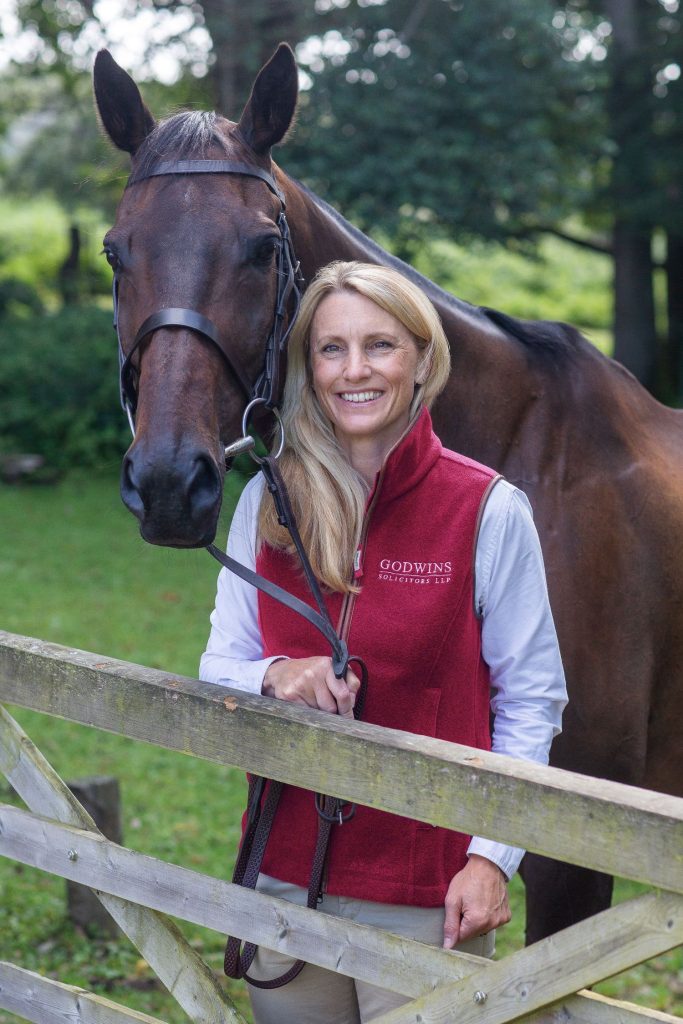
Kerry’s appointment reflects both her professional expertise and her deep connection to the local countryside. A passionate supporter of the New Forest, Kerry is a third‑generation commoner who continues her family tradition of turning out New Forest ponies to graze the Open Forest. She serves as an appointed colt inspector, honorary solicitor to the New Forest Pony Breeders, and is Joint Master of the New Forest Bloodhounds, a clean‑boot hunt.

Splitting her time between Godwins’ Winchester office and her home in Beaulieu, Kerry advises clients on the sale and purchase of residential, agricultural and equestrian property, acting for individuals, estates and rural businesses across Hampshire and beyond.

Kerry’s promotion forms part of a wider strategic evolution here at Godwins. In recent years, the firm has transitioned away from litigation and family law to focus exclusively on its core strengths:

  • Private Client – wills, probate, tax planning and succession for individuals and families
  • Commercial Property – transactions, leasing and development for businesses
  • Rural & Residential Property – a growing specialism in agricultural and rural matters

The firm has launched a new Agricultural, Farms and Estates Sector Group, combining expertise from all three departments to offer a comprehensive, specialist service to rural and agricultural clients across Hampshire, Dorset, the Isle of Wight and further afield.

“Kerry’s leadership marks an exciting new chapter for Godwins,” said Member, Andrew Neal. “Her deep understanding of rural life, combined with her extensive legal expertise, will further strengthen our offering to the agricultural community. We are delighted to welcome her as a Member of the firm.”

This leadership transition is part of Godwins’ long‑term succession planning, ensuring that the firm continues to deliver exceptional, personal and highly specialised legal services for generations to come.

Proud to support Legacy Action Week 2026

We’re delighted to be taking part in Legacy Action Week this April – an important initiative that brings together local charities, legal experts and financial professionals to highlight the impact gifts in Wills can have on the Winchester community.

Now in its second year, Legacy Action Week runs from 20–24 April, offering a programme of free events designed to make the process of writing or updating a Will more accessible and less daunting. From expert led talks to relaxed drop in sessions, the week provides practical guidance for anyone wanting to take those first steps with confidence.

As one of the participating local firms, the team at Godwins will be available at the Chesil House drop in event on Wednesday 22 April, alongside partner charities and fellow solicitors. We’re looking forward to meeting attendees, answering questions and helping demystify the process of planning for the future – whether that’s choosing executors, understanding inheritance tax or exploring how a charitable legacy can make a meaningful difference.

Legacy Action Week is a brilliant example of what can be achieved when Winchester’s charities and professional community come together with a shared purpose. We’re proud to play our part.

To learn more about the week’s events, visit legacyactionweek.com.

Why you shouldn’t rely on ChatGPT or AI for legal advice – the real risks

why you shouldn't use chat gpt for legal advice

In today’s fast-paced, digital-first world, it’s easy to turn to tools like ChatGPT for quick answers. Whether you’re drafting a tenancy agreement, facing a dispute or just trying to understand your legal rights, AI can seem like a tempting, cost-effective shortcut.

At Godwins Solicitors LLP, we take pride in providing our clients with reliable, accurate legal advice, tailored to your situation. In recent months however, there have been concerning instances where people have attempted to substitute proper legal advice with AI tools like ChatGPT. It is important that you understand the risks. We want to explain why you shouldn’t use ChatGPT for legal advice and why professional legal support still matters more than ever.

  1. AI can’t replace a qualified legal professional

ChatGPT, while powerful, is not a qualified solicitor. It has not studied law, passed professional exams or gained practical experience through handling real legal matters. It doesn’t understand the nuances of your personal circumstances, nor can it exercise legal judgment in the way a trained professional can.

Legal advice is not just about quoting the law – it’s about applying it correctly to your specific situation. That’s where AI falls short.

  1. You may receive outdated or inaccurate information

ChatGPT is trained on data that may be months or even years old. While it can mimic legal language and provide general insights, it may not reflect the most recent legislation, case law or local legal procedures.

Laws change frequently and relying on outdated information could cost you – financially, legally and personally.

  1. No accountability or protection

When you consult a solicitor, you are protected. Regulated legal professionals are bound by strict professional standards and codes of conduct. If something goes wrong, you have recourse through regulatory bodies or professional indemnity insurance.

With ChatGPT, there are no such safeguards. If it gives you incorrect or harmful advice, there’s no regulatory protection, no professional indemnity insurance and no one to hold accountable.

  1. AI can’t offer confidential, tailored advice

Legal advice should be confidential, strategic and based on a thorough understanding of your unique situation. ChatGPT doesn’t know your full context and cannot ask the right follow-up questions a solicitor would.

Even more importantly, while AI providers take privacy seriously, you should never share sensitive or personal legal information with an AI system that isn’t covered by solicitor-client privilege.

  1. Misuse can lead to serious consequences

Many people are tempted to use AI to draft legal documents like wills, contracts or tenancy agreements. While these documents may “look” correct, even small errors in wording, omissions or jurisdictional issues can render them invalid – or worse, legally damaging.

Fixing mistakes later often costs far more than doing it properly from the start.

A final word: Use AI responsibly – but don’t replace your solicitor

We’re not saying tools like ChatGPT are useless. In fact, they can be helpful for general education, understanding legal terminology or preparing for a conversation with your solicitor.

However, they should never be a substitute for real legal advice from a qualified, regulated professional.

If you’re dealing with a legal issue – no matter how big or small – speak to a solicitor. It’s not just safer. It’s smarter.

Need professional legal advice?

At Godwins Solicitors LLP, we understand the pressures of cost, speed and convenience. AI tools like ChatGPT can sometimes help generate ideas, do very general research, or help one understand legal terminology. However, when it comes to your legal rights, obligations or court procedure, using an unverified tool instead of a qualified legal professional carries too much risk.

If you have any doubt, concern, or legal issue  – no matter how small – please reach out to us. We are here to give you clear, reliable, legally binding advice and help you avoid the pitfalls that can come from trusting AI alone.


Godwins joins the first Winchester legal walk

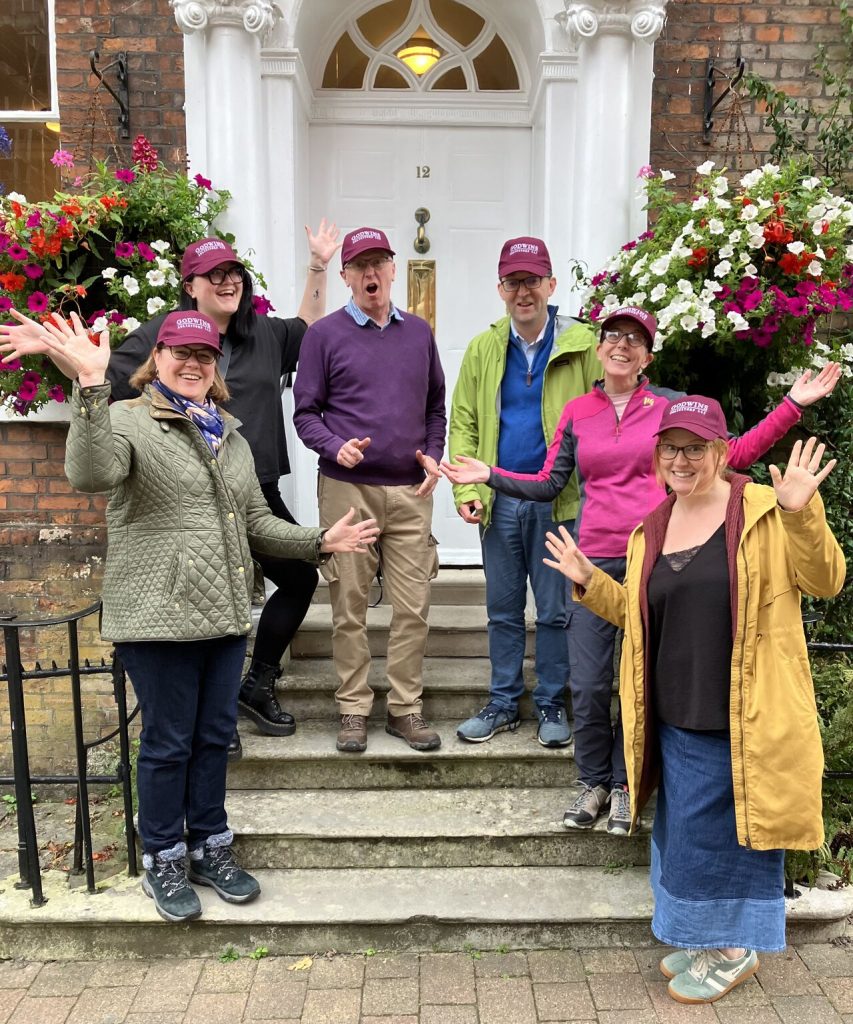
Last Thursday evening, a team from Godwins proudly took part in the inaugural Winchester Legal Walk  – a 10km charity walk through the city, raising vital funds for Citizens Advice Winchester District.

Starting at Winchester Combined Court and finishing at The Royal Oak, the event brought together legal professionals from across the region, including law firms, barristers’ chambers, advice agencies, university law groups and courts service. Organised by a local judge and barrister in partnership with the London Legal Support Trust, the walk aimed to support free legal advice services for those who need it most.

It was a fantastic Autumnal evening of fresh air, good conversation and shared purpose. Our team enjoyed the chance to connect outside the office, stretch their legs and contribute to a cause that’s close to the heart of the legal community.

With over £7,000 raised so far, the event was a resounding success – and we’re proud to have played a part.

Annabel Evans, Godwins’ member said: “It was such a brilliant event to be part of – great atmosphere, great company and all for a really important cause. We loved being involved and hope it becomes a regular fixture!”

Thank you to everyone who organised, walked and donated.

If you would like to speak with one of our team about getting your legal advice, please contact us.

Godwins Solicitors LLP celebrates ninth consecutive year of Chambers recognition for Private Wealth

We are proud to announce that Godwins Solicitors LLP has once again been recognised in the prestigious Chambers High Net Worth (HNW) Guide for 2025.

This achievement is based purely on merit – the rankings rely solely on feedback from clients and other professionals; we do not pay to be included in the Guide.

For the ninth year running, we have been ranked in Band 3 for Private Wealth Law – Southampton and Surrounds, against much larger national firms.  It confirms our ongoing commitment in delivering exceptional legal support to individuals, families, and their advisers on complex private client matters.

Chambers describes Godwins as:

“A well-regarded outfit and advises on wills, probate and tax matters, among others.”

We are particularly delighted to see our approach to client service highlighted in client feedback:

“I have been amazed at the lengths Godwins goes to for its clients. They, of course, have legal knowledge and expertise but their soft skills and client relationships are really second to none.”

This year, three of our private client solicitors continue to be individually recognised:

  • Fiona Fox – praised for her experience in estate and succession planning.
  • Fiona Leeson – her expertise in wills, trusts, and inheritance tax highlighted.
  • Andrew Neal – acknowledged for his probate and tax planning advice for high net worth individuals and families.


The three Members commented:

“We are thrilled to be ranked again in Chambers and to see three of us highlighted individually. It’s a reflection of our dedication to delivering expert, but most importantly practical advice, while building lasting client relationships based on trust and care.”

We are deeply grateful to our clients and professional contacts for their feedback as well as continued support.  Thank you also to Chambers for recognising our work in this area for another year.

If you would like to speak with one of our Private Wealth team about wills, trusts, tax planning or estate administration, please contact us.


Godwins announces leadership transition and strategic evolution


We are delighted to announce a significant leadership transition and strategic shift as we continue to deliver tailored legal expertise to business and private clients in Hampshire, Dorset and the Isle of Wight.

After 15 years as a Member and Head of the Residential Property department — and an impressive 44 years in the legal industry — Rupert Morton-Curtis will retire on 31st March 2026. Rupert’s extensive contribution has been instrumental in establishing Godwins as a trusted authority in residential property law and his expertise will be greatly missed by both colleagues, clients and industry professionals.

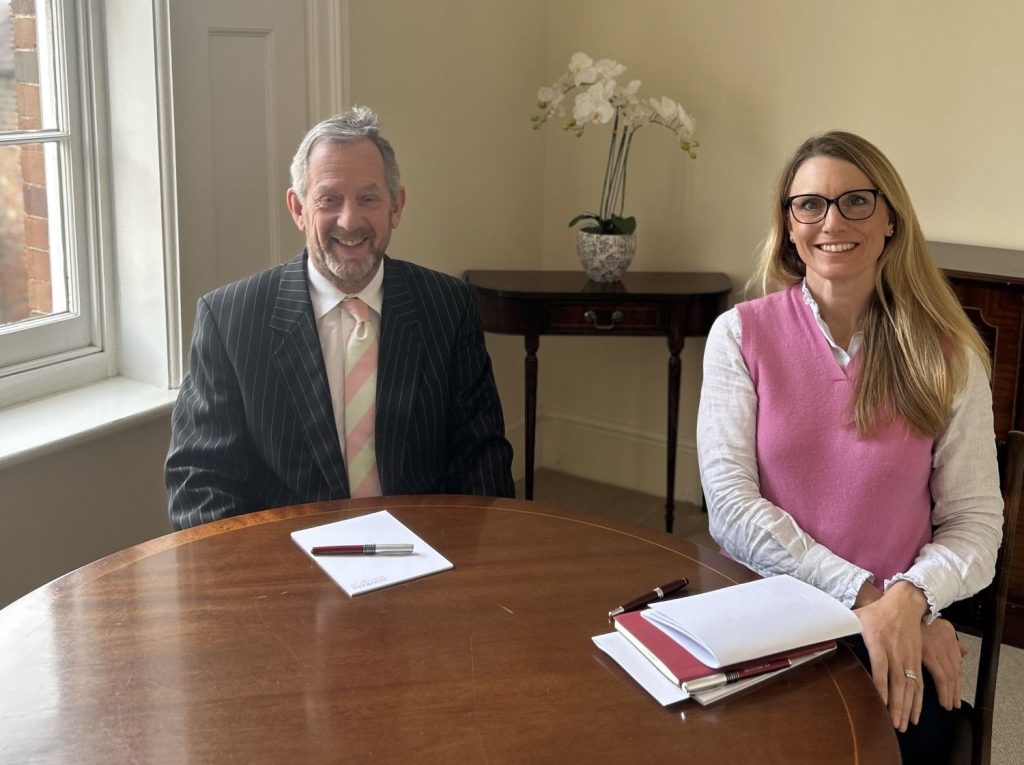
Next year, Rupert will hand over the reins to Kerry Dovey, who joined Godwins in Autumn 2024 and brings extensive experience in rural and agricultural property. With over 22 years in regional heavy-weight law firms, Kerry will be promoted to Member upon Rupert’s retirement and will lead the Rural and Residential Property Department. Over the next 12 months, Rupert and Kerry will be working together on the transition. You can watch their short video announcing the transition here. 

This transition is part of our long-term succession planning — ensuring that the firm continues to deliver high-quality legal services for generations to come. Just as we are carefully managing our own succession, the firm is well-placed to advise business and private clients on all areas of succession planning — from business continuity and estate management to wealth preservation and inheritance structuring.

The changes reflect a broader evolution for Godwins, as we have moved away from litigation and family law in recent years to focus exclusively on our core strengths:

  • Private Client – providing expert advice on wills, probate and tax planning including succession planning for individuals and families.
  • Commercial Property – supporting businesses with property transactions, leasing and development.
  • Rural and Residential Property – advising individuals, estates, and businesses on complex property matters, with a growing focus on rural and agricultural property.

We are also launching a new Agricultural, Farms and Estates Sector group. This specialist group will draw on expertise from all three departments, offering a comprehensive legal service to rural and agricultural clients in Hampshire, Dorset, the Isle of Wight and beyond.

“Rupert’s leadership and expertise have shaped the success of our residential property practice, and we are incredibly grateful for his dedication over the years,” said member, Andrew Neal. “Kerry’s promotion marks an exciting new chapter for Godwins as we build on our strength in rural and residential property and enhance our offering to the agricultural sector. This transition is a key part of our long-term succession strategy, ensuring that Godwins remains a trusted partner for clients for many years to come.”

This business evolution underscores our commitment to providing exceptional legal advice with a personal touch, ensuring the firm remains a trusted partner for generations to come.

Rural property lawyer Kerry Dovey joins Godwins Solicitors LLP as an associate member

Godwins Solicitors LLP are delighted to announce that Kerry Dovey, specialist in Farms, Estates and Country Houses has joined the Winchester law firm as Associate Member.

Kerry will use her 20 years’ experience in Farm and Estates practices to support high net worth individuals and landowners with the sale, purchase and lettings of residential and commercial rural property. She regularly advises on deeds of easements for services, renewable projects and access, as well as acting for lenders and carrying out large-scale security work on rural properties for the major banks. She has a rare and deep knowledge of the nuances surrounding New Forest properties including rights of access and common rights.

Kerry grew up on her parents’ dairy farm and agriculture has always been in the blood. Based in the New Forest, she is a keen rider and loves country sports.

For 200 years Godwins have offered a first-class service to farms and estates around Winchester and beyond and Kerry is excited to join the property team, “I’m really looking forward to joining Godwins, as such a well-respected firm within Winchester and the Hampshire/Dorset area. I’m sure with my rural property background and Godwins’ high calibre of private clients I will be able to compliment Godwins’ already impressive property offering for clients. “

Godwins’ member Andrew Neal, says “The partners are delighted to welcome Kerry to the firm.  She brings a wealth of experience within the agricultural and rural property sector and forms a key part of our vision to grow and build upon our presence within those sectors.”

Is your land suitable for development and what will you do if a developer calls?


Landowners frequently receive speculative approaches from developers and land promoters inviting them to enter in to binding legal agreements for development of their land.  The terminology can be baffling, but rather than throwing these letters in the bin, or worse, signing on the dotted line, take time to consider what is on offer and get professional advice.

Before you sign on the dotted line, always check:

  • If you have land which is capable of development, always seek advice from a valuer and from a solicitor before signing up with a developer. Often the developer will contribute to the landowner’s costs for professional advice so you would not be out of pocket.
  • Make sure you understand the true value of your land; joined with your neighbours’ land, your land may be more valuable or have strategic importance to a developer.
  • Consult your accountant or tax adviser to check any family property ownership is in the right names and properly structured in order to maximise tax efficiency.

If you are a landowner selling land for potential development, there are a variety of different ways in which to structure the arrangements:


  1. Unconditional Contract – this is the most certain arrangement from a landowner’s perspective. The landowner agrees to sell the land to the developer with completion of the sale occurring on an agreed date for an agreed price and without any pre-conditions or other pre-requisites imposed.
  2. Conditional Contract – this gives more flexibility to the developer and less certainty to the landowner. The contract for sale and purchase is conditional on certain pre-conditions, most usually the grant of satisfactory planning permission for development of the land in question.  The contract will attempt to define the pre-conditions in sufficient detail so that it is clear when the pre-conditions have been satisfied and completion is triggered.  The price is often framed in terms of general principles and may be linked for example to the number of residential units (i.e. houses or flats) for which planning permission is actually obtained.
  3. Option Agreement – this gives even more flexibility to the developer. The agreement provides that the developer may call for the landowner to sell the land to the developer at any time within a set period of time (typically between 18 months to 5 years).  This is to allow the developer time to obtain planning permission but the option need not require this.  There is less certainty from the landowner’s perspective, because the developer may choose, at its discretion, whether or not to call for the land to be sold to it.   Again, price is often framed in general terms and may be limited to success at planning, but usually requires the landowner to agree to reimburse the developer for aspects of the costs in obtaining planning permission.
  4. Promotion Agreement – becoming more popular, these types of agreements work as a collaboration between the landowner and a promoter (who is often a developer in their own right) to promote land for development. The landowner and the promoter work together to agree a planning strategy for the land to achieve allocation for residential development and then secure planning permission.  The parties will then agree a sales strategy to market the land, with the new planning permission, on the open market so as to secure the best price.  The landowner will usually reimburse the promoter for the costs incurred in securing planning permission, marketing and selling the land and the promoter receives an agreed fee.

At Godwins, our Commercial Property Team would be happy to guide you through the legal aspects of the development process for your land.  Please contact Annabel Evans and Helen Brooker for an initial chat.

Godwins are proud to support The Cameron Bespolka Trust

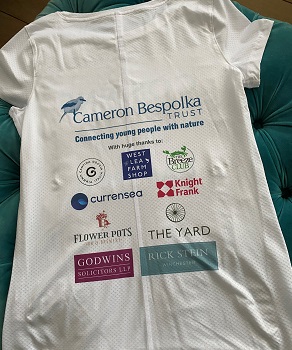
Godwins are proud to be supporting Corinne Bespolka run the London Marathon in support of her son’s Charity The Cameron Bespolka Trust.


https://www.cameronbespolka.com/running-the-london-marathon-for-cameron


Points to consider in planning your will

Information for married couples and civil partners

This briefing note is designed to provide an overview of some of the points you may wish to consider when reviewing your existing Will or putting a new Will in place. The information in this note is brief so please let us know if you would like further information on any of the points raised.

Why should I make a Will?

A valid Will dictates how your estate will pass after you die. If you die without a valid Will, your estate will pass in accordance with a set of statutory provisions, known as the “Intestacy Rules”. The Intestacy Rules are no substitute for a properly drawn-up Will and can often result in unintended consequences. For example, under the rules, a surviving spouse will not necessarily inherit the whole of the estate, whilst an unmarried partner has no rights at all.

When should I review my Will?

You should review your Will at regular intervals, to ensure that it is still appropriate to your circumstances and that it is consistent with the latest legislation. In particular, you should consider reviewing your Will whenever there is a major change to your or any of the beneficiaries’ financial and/or personal circumstances.

What should I include in my Will?

A Will can deal with a multitude of matters. As a starting point, you may wish to consider the following:

Executors

Executors are people you entrust to deal with your estate following your death and to carry out the terms of your Will. The role carries with it great responsibility and it is important you choose people who you trust to deal with things properly. Executors are required to act unanimously, so it is important that the people you choose are capable of working well together. Executors should be at least 18 years of age, of full capacity and, crucially, likely to outlive you!

In some circumstances, it may be possible/appropriate to appoint the Members of Godwins Solicitors LLP as your executors. We are happy to discuss this with you.

Funeral wishes

You may like to include your funeral wishes in your Will, although there is no requirement to do so. It is one of the first things we get asked following a death; it is important that your next of kin are aware of your wishes.

You may wish to state whether you would like to be buried or cremated, the location of your final resting place, and/or whether you would like your body to be made available for medical research or organ transplant.

Guardians

If you have minor children then you ought to consider who would be best suited to caring for and looking after your children. Please note that a guardianship provision would only be capable of taking effect on the death of the last person with parental responsibility for any child.

Personal possessions and specific bequests

We tend to deal with personal belongings separately from the rest of the estate, as this reduces complications when dealing with the estate administration. We usually provide for a person’s belongings to pass to their surviving spouse on the first death, and thereafter to pass to the executors to distribute at their discretion. If you have particular items that you would like to pass to specific individuals, we can record this in a separate Letter of Wishes, which you can update from time to time without the need to change your Will.

Pecuniary and specific legacies

You may decide to leave cash gifts of fixed amounts or specific assets to one or more individuals or charities.

Residuary estate

You will need to consider who you would like to receive the balance of your estate after payment of all liabilities and administration expenses to include taxes arising as a result of your death as well as any legacies given in the Will (known as the “residue”) and the way in which you would like those people to benefit. If there is more than one beneficiary, you will need to decide on the respective shares that they are to receive.

On the death of the first of a married couple/civil partners, it is usual for the bulk of the estate to pass to the survivor. There are two ways in which this can be achieved, either by way of an outright gift or otherwise by leaving assets to the survivor on a “life interest” trust.

• An outright gift means that the survivor receives the assets without restriction and is free to do with them exactly as he or she pleases. This is the simpler option and is often appropriate in the case of a first marriage, where the intention is to benefit shared children on the second death.
• A gift on a life interest trust meanwhile entitles the surviving spouse/civil partner to the income of the assets (including the right to occupy any property owned by the deceased) for the remainder of his or her life. It does not, however, give them a right to the underlying capital value of those assets, which is preserved for the benefit of the ultimate beneficiaries. This option is more complex, but may be sensible in the case of a second marriage where each party has children of their own from a previous relationship and/or if there are concerns about ringfencing funds against care fees, etc. We are happy to advise further on the options available.

If you have children, you will want to consider the age at which you would be happy for them to receive funds. The default is age 18, however, many people prefer to defer this until age 21, 25, or even later. You should also consider what you would want to happen if none of your intended beneficiaries were to survive you. In these circumstances, do you have other individuals or charities in mind who you would like to benefit?

Another consideration is whether it would be unwise to make funds available to any of the beneficiaries for any reason (e.g. if there is a risk of divorce or bankruptcy proceedings). Finally, you should consider if there is anyone who might feel aggrieved by the provisions of your Will
and who may seek to challenge it. Whilst it is not possible to remove the risk entirely, there are steps that can be taken to reduce the likelihood of a successful claim being made against your estate.

What about inheritance tax?

In preparing your Will, it is necessary to give some thought to inheritance tax, which is primarily a charge to tax on the value of an individual’s estate at death. On a person’s death, inheritance tax is currently payable at the rate of 40% on the chargeable value of the estate above the “nil rate band”. The nil rate band is currently £325,000 (but may be reduced by the value of certain lifetime transfers/gifts).

There are some steps you can take during your life to reduce the value of your estate for inheritance tax purposes.

In terms of Wills, there are a few points to note:

• Where a couple are married or in a civil partnership, any unused nil rate band of the first spouse/civil partner to die may be transferred and set against the estate of the survivor on their eventual death (the so-called “transferable nil rate band”). This claim is for the unused percentage, rather than the value unused at the time. On present values, then, the combined nil rate band and transferable nil rate band available on the second death may be as much as £650,000. It is for this reason that it is sensible to leave the bulk of the estate (and certainly everything in excess of the nil rate band) to the surviving spouse/civil partner on the first death, as this avoids an immediate charge to inheritance tax because it is covered by the spouse exemption.
• As of April 2017, an additional allowance known as the “residence nil rate band” may also be available where a person leaves a property interest to “direct descendants” (which includes children, grandchildren, and so on, as well as step-children and the spouses/civil partners of those people). The maximum amount of the residence nil rate band is currently £175,000. Care should be taken when drafting a Will to ensure that the residence nil rate band is capable of being claimed. As with the “normal” nil rate band, any unused residence nil rate band of the first of a married couple/civil partners to die may be transferred and set against the estate of the survivor on the second death (the “brought-forward allowance”), giving a further maximum allowance of £350,000. A taper is applied to reduce the available residence nil rate band for an estate valued
over £2 million.
• Gifts to charities are free of inheritance tax. In addition, the overall rate of inheritance tax is reduced from 40% to 36% where a person leaves at least 10% of their net estate to charity.
• Properly structured gifts of farmland, business interests, and shares in unquoted trading companies may qualify for generous reliefs from inheritance tax. It is important that you let us know if you hold any assets of this nature.

Can my beneficiaries amend my Will?

It is currently open to the beneficiaries of a Will to vary their entitlements, if so desired. There are no inheritance tax implications, provided this is done within 2 years of death. For example, a beneficiary may have no real need of their inheritance and may prefer to pass it on to their children. Provided this is done correctly, the funds will effectively bypass the original beneficiary’s estate for inheritance tax purposes.

What happens if I lose mental capacity during my lifetime?

Whilst dealing with your Will, you may also wish to consider what would happen if you were to become mentally incapable of dealing with your affairs during your lifetime. We can advise you on putting in place Lasting Powers of Attorney and/or Advance Decisions to deal with the position. Please contact us if you would like further information on this.

The information in this guide is not intended to replace specific advice tailored to your individual circumstances. Information correct as of January 2022.