Generic selectors
Exact matches only
Search in title
Search in content
Post Type Selectors

Kerry Dovey becomes member and Head of Rural & Residential

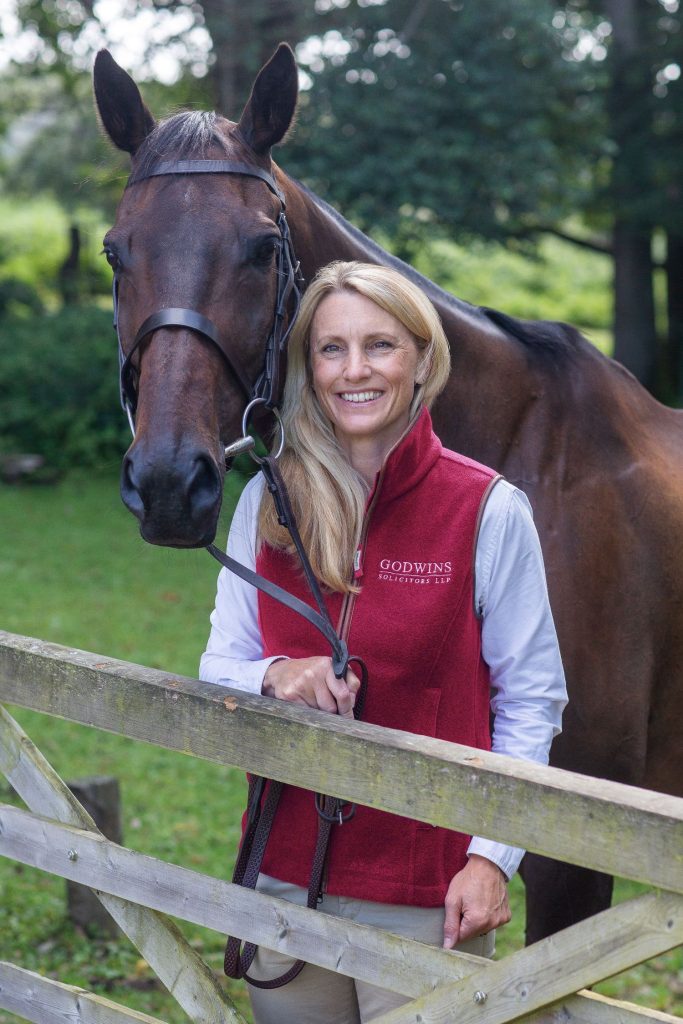
We’re delighted to announce the promotion of Kerry Dovey to Member and Head of the Rural & Residential Property Team, effective 1 April 2026.

Kerry joined Godwins in 2024, bringing over 22 years’ experience in agricultural, rural and residential property from leading regional law firms. Her promotion follows the retirement of long‑standing Member, Rupert Morton‑Curtis, whose 44‑year career in the legal profession and 15 years of service at Godwins have played an instrumental role in the firm’s success.

Kerry’s appointment reflects both her professional expertise and her deep connection to the local countryside. A passionate supporter of the New Forest, Kerry is a third‑generation commoner who continues her family tradition of turning out New Forest ponies to graze the Open Forest. She serves as an appointed colt inspector, honorary solicitor to the New Forest Pony Breeders, and is Joint Master of the New Forest Bloodhounds, a clean‑boot hunt.

In the video below, Kerry shares her thoughts on the transition and what lies ahead:


Splitting her time between Godwins’ Winchester office and her home in Beaulieu, Kerry advises clients on the sale and purchase of residential, agricultural and equestrian property, acting for individuals, estates and rural businesses across Hampshire and beyond.

Kerry’s promotion forms part of a wider strategic evolution here at Godwins. In recent years, the firm has transitioned away from litigation and family law to focus exclusively on its core strengths:

  • Private Client – wills, probate, tax planning and succession for individuals and families
  • Commercial Property – transactions, leasing and development for businesses
  • Rural & Residential Property – a growing specialism in agricultural and rural matters

The firm has launched a new Agricultural, Farms and Estates Sector Group, combining expertise from all three departments to offer a comprehensive, specialist service to rural and agricultural clients across Hampshire, Dorset, the Isle of Wight and further afield.

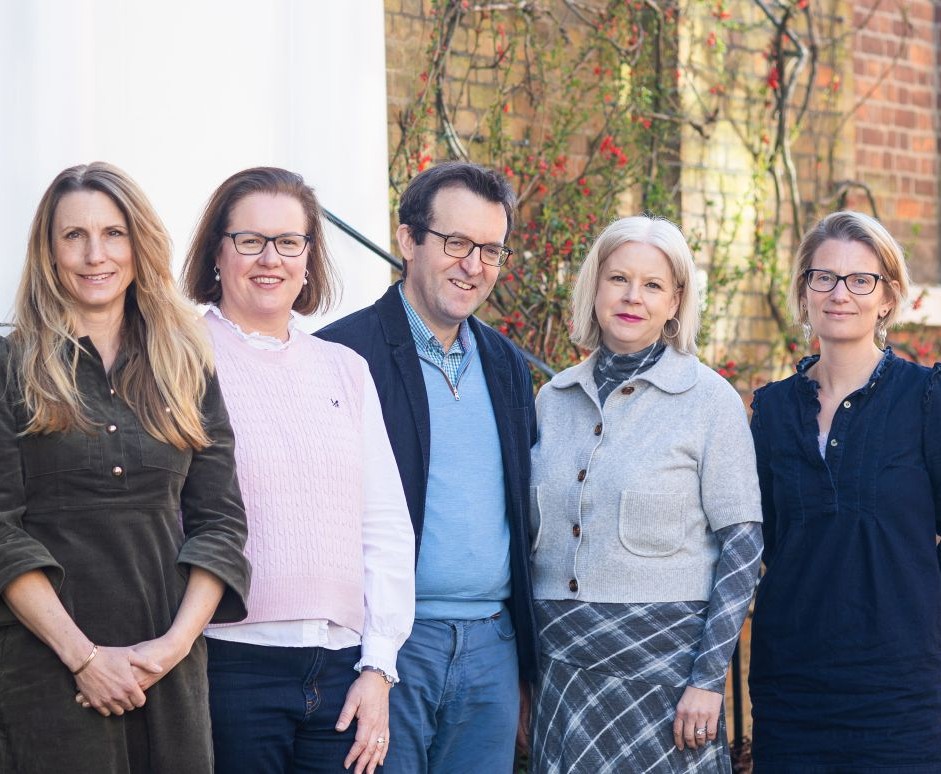
“Kerry’s leadership marks an exciting new chapter for Godwins,” said Member, Andrew Neal. “Her deep understanding of rural life, combined with her extensive legal expertise, will further strengthen our offering to the agricultural community. We are delighted to welcome her as a Member of the firm.”

This leadership transition is part of Godwins’ long‑term succession planning, ensuring that the firm continues to deliver exceptional, personal and highly specialised legal services for generations to come.

Proud to support Legacy Action Week 2026

We’re delighted to be taking part in Legacy Action Week this April – an important initiative that brings together local charities, legal experts and financial professionals to highlight the impact gifts in Wills can have on the Winchester community.

Now in its second year, Legacy Action Week runs from 20–24 April, offering a programme of free events designed to make the process of writing or updating a Will more accessible and less daunting. From expert led talks to relaxed drop in sessions, the week provides practical guidance for anyone wanting to take those first steps with confidence.

As one of the participating local firms, the team at Godwins will be available at the Chesil House drop in event on Wednesday 22 April, alongside partner charities and fellow solicitors. We’re looking forward to meeting attendees, answering questions and helping demystify the process of planning for the future – whether that’s choosing executors, understanding inheritance tax or exploring how a charitable legacy can make a meaningful difference.

Legacy Action Week is a brilliant example of what can be achieved when Winchester’s charities and professional community come together with a shared purpose. We’re proud to play our part.

To learn more about the week’s events, visit legacyactionweek.com.

Tips to maximise your chances of a smooth property sale

It’s a new year and perhaps you’re thinking of a house move in 2026 but concerned about the hurdles you have to
jump through when selling a house or flat?

All those involved in the conveyancing process – such as mortgage companies, surveyors
and solicitors – are operating in a risk averse world requiring more checks and due diligence
than in the past.

If you are thinking of selling in the near future, consider asking a conveyancer at this stage to
give your property title the once over and to review any property papers you have such as
guarantees, planning and other consents. You should not wait until you have found
somewhere to buy, as at that point it is likely that you will have to start the selling and buying
process at speed.

Transactions can start with a bang but then face hurdles during the process which leads to precious time lost due to lack of pre-market preparation. On the legal side of things, the best prepared sales are ones where the sellers have worked with their solicitors beforehand to ensure there is nothing in the title which might make a buyer, or their solicitor, hesitate or delay matters with further investigation.

Another cause of delay is where there are missing planning and building regulation consents, guarantees or other certificates. The best run sales are the ones where a planning history is complete, and the seller is completely on top of all detail. It also gives the best impression to, not only the buyer, but their solicitor that there is nothing else about the property’s history that has not been disclosed.

Issues to iron out before a property is marketed include:
• Boundaries generally eg: gaps ‘between the boundary of the property and the nearest public highway’
• Sellers’ worries over what should be disclosed about troublesome neighbours or minor
disagreements with them
• Whether some restrictions in the title about matters such as building, need to be raised at
the negotiation stage or not
• What to do, if anything, where a seller thinks they may have breached a title obligation or
restriction
• What to do if building works carried out without necessary planning permission, building
regulation consent or conservation area consents and so on

While it may be tempting to leave all these things until you have agreed a sale, it is very
common for a solicitor acting for a seller, to receive calls from the selling agents or the seller
themselves about points like these raised by a prospective buyer at the point of negotiation.
This can sometimes cause the negotiations stage to falter which could be avoided, if any
potential issues have been considered well beforehand.

At Godwins, our Residential Property Team would be very happy to take a look at your title
and accompanying documents and for a relatively inexpensive fee, we can provide an MOT
with suggested solutions where needed.

If you want to find out more, please contact Clare Dove for an initial chat with you prior to
your making any decisions about work you would like us to carry out at this stage.

Why you shouldn’t rely on ChatGPT or AI for legal advice – the real risks

why you shouldn't use chat gpt for legal advice

In today’s fast-paced, digital-first world, it’s easy to turn to tools like ChatGPT for quick answers. Whether you’re drafting a tenancy agreement, facing a dispute or just trying to understand your legal rights, AI can seem like a tempting, cost-effective shortcut.

At Godwins Solicitors LLP, we take pride in providing our clients with reliable, accurate legal advice, tailored to your situation. In recent months however, there have been concerning instances where people have attempted to substitute proper legal advice with AI tools like ChatGPT. It is important that you understand the risks. We want to explain why you shouldn’t use ChatGPT for legal advice and why professional legal support still matters more than ever.

  1. AI can’t replace a qualified legal professional

ChatGPT, while powerful, is not a qualified solicitor. It has not studied law, passed professional exams or gained practical experience through handling real legal matters. It doesn’t understand the nuances of your personal circumstances, nor can it exercise legal judgment in the way a trained professional can.

Legal advice is not just about quoting the law – it’s about applying it correctly to your specific situation. That’s where AI falls short.

  1. You may receive outdated or inaccurate information

ChatGPT is trained on data that may be months or even years old. While it can mimic legal language and provide general insights, it may not reflect the most recent legislation, case law or local legal procedures.

Laws change frequently and relying on outdated information could cost you – financially, legally and personally.

  1. No accountability or protection

When you consult a solicitor, you are protected. Regulated legal professionals are bound by strict professional standards and codes of conduct. If something goes wrong, you have recourse through regulatory bodies or professional indemnity insurance.

With ChatGPT, there are no such safeguards. If it gives you incorrect or harmful advice, there’s no regulatory protection, no professional indemnity insurance and no one to hold accountable.

  1. AI can’t offer confidential, tailored advice

Legal advice should be confidential, strategic and based on a thorough understanding of your unique situation. ChatGPT doesn’t know your full context and cannot ask the right follow-up questions a solicitor would.

Even more importantly, while AI providers take privacy seriously, you should never share sensitive or personal legal information with an AI system that isn’t covered by solicitor-client privilege.

  1. Misuse can lead to serious consequences

Many people are tempted to use AI to draft legal documents like wills, contracts or tenancy agreements. While these documents may “look” correct, even small errors in wording, omissions or jurisdictional issues can render them invalid – or worse, legally damaging.

Fixing mistakes later often costs far more than doing it properly from the start.

A final word: Use AI responsibly – but don’t replace your solicitor

We’re not saying tools like ChatGPT are useless. In fact, they can be helpful for general education, understanding legal terminology or preparing for a conversation with your solicitor.

However, they should never be a substitute for real legal advice from a qualified, regulated professional.

If you’re dealing with a legal issue – no matter how big or small – speak to a solicitor. It’s not just safer. It’s smarter.

Need professional legal advice?

At Godwins Solicitors LLP, we understand the pressures of cost, speed and convenience. AI tools like ChatGPT can sometimes help generate ideas, do very general research, or help one understand legal terminology. However, when it comes to your legal rights, obligations or court procedure, using an unverified tool instead of a qualified legal professional carries too much risk.

If you have any doubt, concern, or legal issue  – no matter how small – please reach out to us. We are here to give you clear, reliable, legally binding advice and help you avoid the pitfalls that can come from trusting AI alone.


Godwins joins the first Winchester legal walk

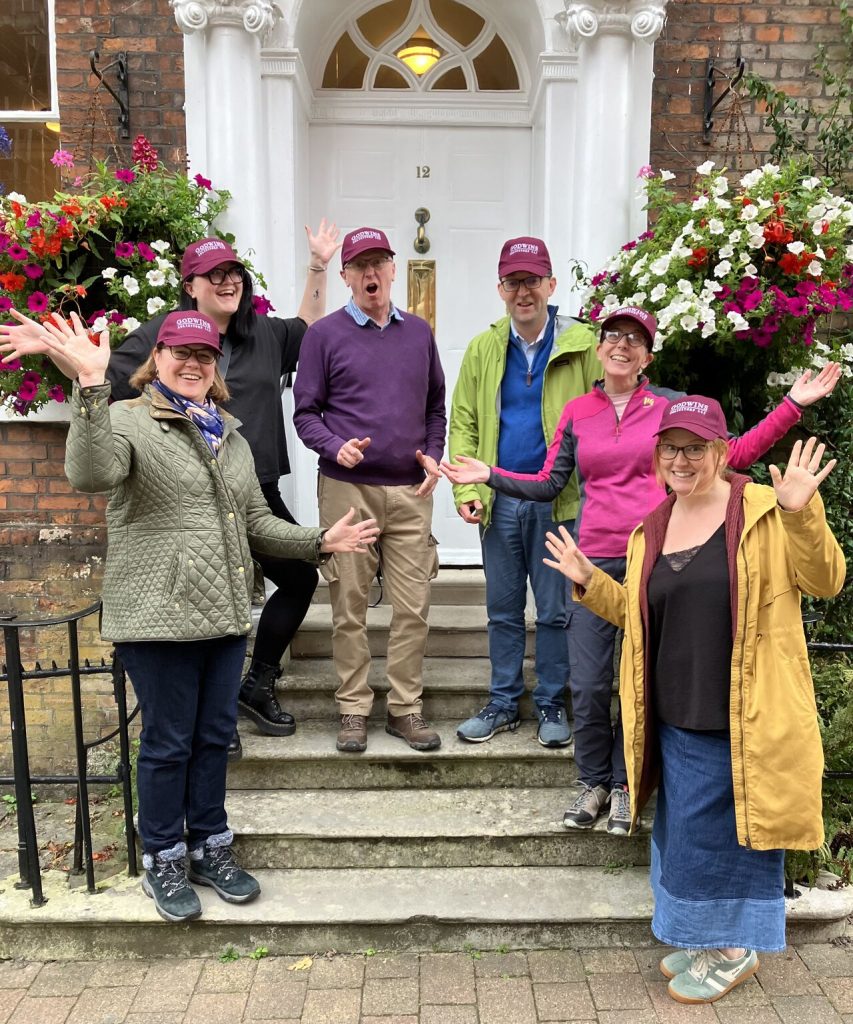
Last Thursday evening, a team from Godwins proudly took part in the inaugural Winchester Legal Walk  – a 10km charity walk through the city, raising vital funds for Citizens Advice Winchester District.

Starting at Winchester Combined Court and finishing at The Royal Oak, the event brought together legal professionals from across the region, including law firms, barristers’ chambers, advice agencies, university law groups and courts service. Organised by a local judge and barrister in partnership with the London Legal Support Trust, the walk aimed to support free legal advice services for those who need it most.

It was a fantastic Autumnal evening of fresh air, good conversation and shared purpose. Our team enjoyed the chance to connect outside the office, stretch their legs and contribute to a cause that’s close to the heart of the legal community.

With over £7,000 raised so far, the event was a resounding success – and we’re proud to have played a part.

Annabel Evans, Godwins’ member said: “It was such a brilliant event to be part of – great atmosphere, great company and all for a really important cause. We loved being involved and hope it becomes a regular fixture!”

Thank you to everyone who organised, walked and donated.

If you would like to speak with one of our team about getting your legal advice, please contact us.

Godwins Solicitors LLP celebrates ninth consecutive year of Chambers recognition for Private Wealth

We are proud to announce that Godwins Solicitors LLP has once again been recognised in the prestigious Chambers High Net Worth (HNW) Guide for 2025.

This achievement is based purely on merit – the rankings rely solely on feedback from clients and other professionals; we do not pay to be included in the Guide.

For the ninth year running, we have been ranked in Band 3 for Private Wealth Law – Southampton and Surrounds, against much larger national firms.  It confirms our ongoing commitment in delivering exceptional legal support to individuals, families, and their advisers on complex private client matters.

Chambers describes Godwins as:

“A well-regarded outfit and advises on wills, probate and tax matters, among others.”

We are particularly delighted to see our approach to client service highlighted in client feedback:

“I have been amazed at the lengths Godwins goes to for its clients. They, of course, have legal knowledge and expertise but their soft skills and client relationships are really second to none.”

This year, three of our private client solicitors continue to be individually recognised:

  • Fiona Fox – praised for her experience in estate and succession planning.
  • Fiona Leeson – her expertise in wills, trusts, and inheritance tax highlighted.
  • Andrew Neal – acknowledged for his probate and tax planning advice for high net worth individuals and families.


The three Members commented:

“We are thrilled to be ranked again in Chambers and to see three of us highlighted individually. It’s a reflection of our dedication to delivering expert, but most importantly practical advice, while building lasting client relationships based on trust and care.”

We are deeply grateful to our clients and professional contacts for their feedback as well as continued support.  Thank you also to Chambers for recognising our work in this area for another year.

If you would like to speak with one of our Private Wealth team about wills, trusts, tax planning or estate administration, please contact us.


Godwins’ Annabel Evans advises Winchester Cathedral on property aspects of merger


The Governing Bodies of Winchester College and The Pilgrims’ School and the Chapter of Winchester Cathedral have today, announced the merger of The Pilgrims’ School with Winchester College

You can read the full release here. 

“We are proud to advise longstanding client Winchester Cathedral on the property aspects of the merger of The Pilgrims’ School and Winchester College.”  Partner and Member, Annabel Evans, leading the Godwins’ team.

Godwins announces leadership transition and strategic evolution


We are delighted to announce a significant leadership transition and strategic shift as we continue to deliver tailored legal expertise to business and private clients in Hampshire, Dorset and the Isle of Wight.

After 15 years as a Member and Head of the Residential Property department — and an impressive 44 years in the legal industry — Rupert Morton-Curtis will retire on 31st March 2026. Rupert’s extensive contribution has been instrumental in establishing Godwins as a trusted authority in residential property law and his expertise will be greatly missed by both colleagues, clients and industry professionals.

Next year, Rupert will hand over the reins to Kerry Dovey, who joined Godwins in Autumn 2024 and brings extensive experience in rural and agricultural property. With over 22 years in regional heavy-weight law firms, Kerry will be promoted to Member upon Rupert’s retirement and will lead the Rural and Residential Property Department. Over the next 12 months, Rupert and Kerry will be working together on the transition. You can watch their short video announcing the transition here. 

This transition is part of our long-term succession planning — ensuring that the firm continues to deliver high-quality legal services for generations to come. Just as we are carefully managing our own succession, the firm is well-placed to advise business and private clients on all areas of succession planning — from business continuity and estate management to wealth preservation and inheritance structuring.

The changes reflect a broader evolution for Godwins, as we have moved away from litigation and family law in recent years to focus exclusively on our core strengths:

  • Private Client – providing expert advice on wills, probate and tax planning including succession planning for individuals and families.
  • Commercial Property – supporting businesses with property transactions, leasing and development.
  • Rural and Residential Property – advising individuals, estates, and businesses on complex property matters, with a growing focus on rural and agricultural property.

We are also launching a new Agricultural, Farms and Estates Sector group. This specialist group will draw on expertise from all three departments, offering a comprehensive legal service to rural and agricultural clients in Hampshire, Dorset, the Isle of Wight and beyond.

“Rupert’s leadership and expertise have shaped the success of our residential property practice, and we are incredibly grateful for his dedication over the years,” said member, Andrew Neal. “Kerry’s promotion marks an exciting new chapter for Godwins as we build on our strength in rural and residential property and enhance our offering to the agricultural sector. This transition is a key part of our long-term succession strategy, ensuring that Godwins remains a trusted partner for clients for many years to come.”

This business evolution underscores our commitment to providing exceptional legal advice with a personal touch, ensuring the firm remains a trusted partner for generations to come.

Being a woman in law in 2025

This International Women’s Day, we sat down with Kerry Dovey, Associate Member in the property team here at Godwins Solicitors LLP in Winchester, to find out what it is like to be a woman in law in 2025.


 How has the legal industry changed since you started out in your career?


As with social changes, the legal landscape has changed drastically over the 20 years that I have been practising. More and more solicitors are now female with current statistics showing 65% of solicitors are women however there is still a seniority gap at partner level with only 32% of full equity partners being female.

Aside from statistics, the biggest change to the industry is working practises and being able to work from home. Being physically present for my children and being able to do the school run has given me more balance in my career. Early on, this just was not possible and that constant tug-of-war between motherhood and having a career in law  was a constant struggle to manage.

I enjoy working in our Winchester office and the interactions with my team  in the office which you cannot have at home so easily . You also have the ability to close the office door so there is a clear distinction between work and home.  Ultimately it is all a balance and flexibility has been the most positive change as a female lawyer and I am sure that applies to men as well.

In 2025, I think we can be so much more authentic as lawyers. You can add the out-of-office, saying ‘apologies, I am at sports day’ without the judgement of 20 years ago.

Law firms have to continue to be current and forward-thinking in order to retain good staff and morale within the teams. I am lucky at Godwins to work for such a great firm who have adopted that approach.


What are the challenges facing law, as you see it, in the next few years?


A career in law is stressful and particularly working in property and conveyancing, the stress levels will only increase because clients want fast-paced transactions to match other purchases in their daily life, like internet shopping for example. How you purchase property hasn’t changed in the last 100 years so the system hasn’t really kept up with fast-paced society. You can still only buy land by way of a witnessed deed. Whilst electronic  signatures and DocuSign, have helped, the transaction speed and managing clients’ expectations does not always  live up to the fast-paced society that we now live in.

Managing mental health, my own and the teams, is something that at Godwins, we take very seriously and keep under review. We have opened conversations about mental health, menopause and quality work life balance. They are certainly not topics discussed 20 years ago when we all wore suits to work. Working in law as a female in 2025 is a much more pleasant experience than when I started. I feel that women in law of my generation have been trailblazers, allowing the next generation of female lawyers to have a smoother career path with no barriers to partnership, for example, just because you work part-time or you have children.


What is one thing you miss from your early career in law?


Without a doubt, the Land Registry’s speed on completing applications and having a direct line to the Land Registry’s manager!  Oh and receiving letters in the post so that there was not that constant barrage of emails you suffer on a daily basis.


What advice would you give to young female lawyers in 2025?

Work hard to get where you want but keep perspective in your life. You are 100% replaceable at work, but you are never replaceable at home. Look after your mental health as you strive for success, the possibilities are endless.


Being a lawyer is and has been, a brilliant career, not without its challenges and very stressful at times. I am genuinely interested in the work I do and solving problems for clients., hether it is working out if the land has a right of way for the client’s intended purpose, or you manage to buy their dream property within the timescales imposed. Both my daughters say that they are proud of me. I am a ‘slay-mum’ which I think? is a good thing!

To talk to Kerry about rural and agricultural law, please get in touch here.

Succession planning and talking money with your Children: Key Considerations

If you’ve watched HBO’s hit series Succession, you’re familiar with the cut throat drama surrounding the Roy family as they grapple with who will inherit the helm of their media empire. While their backstabbing and power plays make for compelling television, the show highlights a very real-world issue: the importance of clear and strategic succession planning.

Whether you’re managing a family business or organising your personal estate Succession planning is a critical process for ensuring that a family’s wealth, business or assets are passed down smoothly and responsibly across generations. While many focus on business continuity and the legal framework of estate planning, an often-overlooked aspect is how to talk about money with your children. The financial decisions that shape the future of your estate and assets can be complex, but an open dialogue can foster understanding and ensure that your legacy is carried on with care and responsibility. In this article, Godwins’ Andrew Neal explores how proper legal frameworks, clear communication, and foresight can ensure a seamless transfer of leadership and assets, avoiding the chaos and uncertainty we see in Succession.

Why Succession planning matters

Succession planning serves as a roadmap for passing on wealth and assets to the next generation. Whether you are transferring a family-owned business, property, investments, or a combination of these, it’s essential to have a plan in place. Proper planning helps reduce the risks of disputes, taxes, and the potential disruption of the family’s wealth.

For many, succession is not just about transferring money; it’s about passing on values, goals, and family traditions. It involves decisions that align not only with legal and financial strategies but also with the family’s vision for the future. That’s where open conversations about money come into play.

The importance of talking about money with your children

When succession planning involves significant financial assets, children may feel entitled, anxious, or even uncertain about their role in managing the wealth. Having frank discussions about money can de-mystify the process and reduce any negative emotions or assumptions. Here are a few key points to keep in mind when broaching the topic:

  1. Start early and foster financial literacy

The earlier you start talking about money with your children, the more prepared they’ll be to manage it when the time comes. Teach them the basics of financial literacy, such as budgeting, saving, investing, and understanding taxes. Having a well-rounded grasp of personal finance will empower them to make informed decisions.

Children who understand the value of money are more likely to respect the family’s wealth and approach it with the responsibility it requires. If a business is involved, offering them a role or involvement, even in a minor way, this can help them develop a connection with the family’s financial legacy.

  1. Discuss values and expectations, not just assets

Money discussions often focus solely on numbers—how much is there, who gets what, and when it will be transferred. However, it’s crucial to also talk about your values and expectations. Discuss why certain assets are being passed on, what you hope your children will do with the wealth, and the impact you want to create. For example, if philanthropy is important to your family, consider incorporating charitable giving into your succession planning.

You should also set clear expectations regarding the management and stewardship of family assets. Will children be expected to manage a family business, maintain investments, or preserve the family home? Setting these expectations early helps children understand their roles and avoid surprises.

  1. Be transparent about your plan

Transparency is key to preventing misunderstandings and resentment down the line. Clearly communicate the details of your succession plan, including the division of assets, any trusts, and how decisions will be made. If there are any contingencies, such as conditions tied to inheritances or the future of a business, explain them clearly.

In addition, be open to feedback and discussions. Your children may have questions, concerns, or ideas about how things should unfold, and addressing them proactively can prevent conflict in the future.

  1. Consider the emotional impact

Money can carry a heavy emotional weight, especially when family dynamics are involved. Sibling rivalry, differing values, or even jealousy can arise. It’s important to acknowledge the potential emotional impact of your decisions and ensure that your children are prepared to manage these feelings.

Encourage family meetings with an estate planner or financial advisor, or consider involving a neutral third party to mediate discussions. This provides an opportunity for everyone to express their thoughts and ensures that the plan remains fair and well-understood by all parties.

  1. Review and update the plan regularly

Family dynamics and financial situations can change, so it’s essential to regularly review and update your succession plan. Life events, such as births, marriages, or the introduction of new family members, may require adjustments to the plan. Periodic discussions help to keep the plan relevant and allow everyone to stay aligned on goals and expectations.

Conclusion

Succession planning is as much about communication as it is about numbers. Talking openly and regularly with your children about money and your intentions for passing on wealth not only prepares them for the responsibility but also fosters a sense of trust and unity. By considering financial literacy, values, expectations, and emotional dynamics, you can create a legacy that benefits future generations while minimising the conflict and confusion as seen in the TV series.

Do get in touch with the Godwins team if you have any questions about Succession planning.